
Blog
Hydraulic Flushing Services in UAE: Why Clean Hydraulic Systems Are Essential for Reliable Performance
Published 20 August 2026
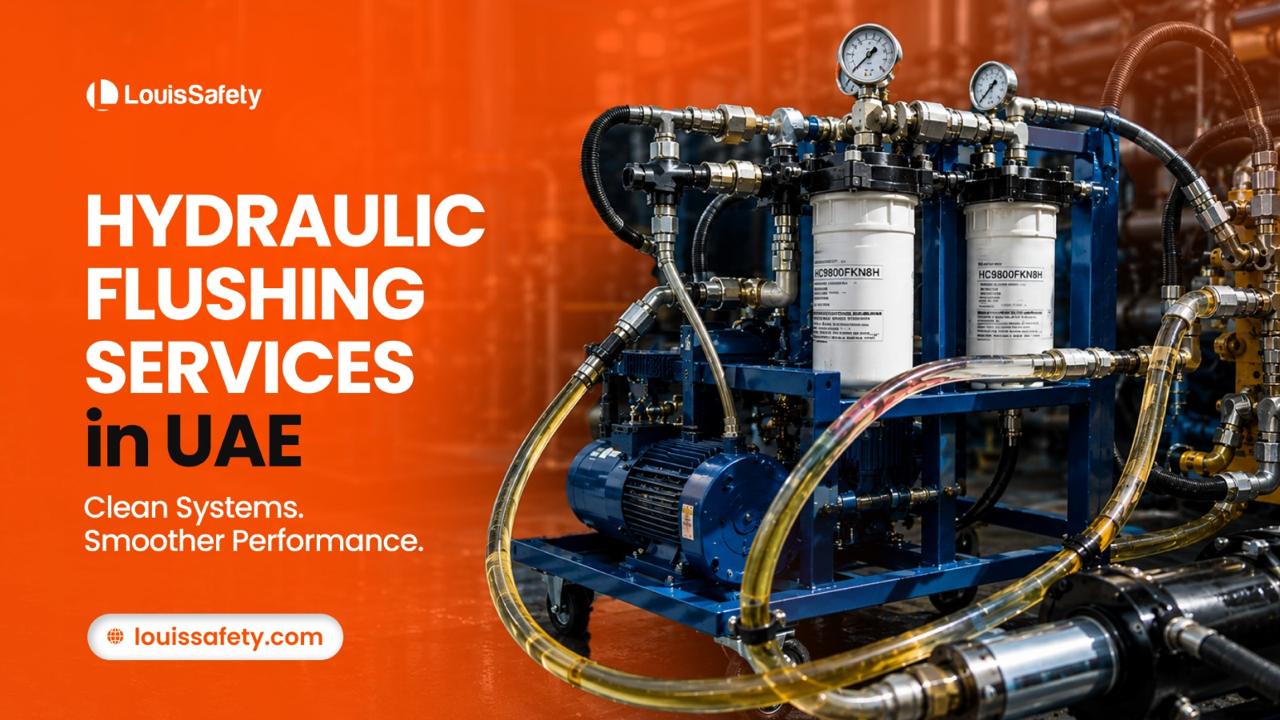
Hydraulic systems are essential to the reliable operation of marine, offshore, and industrial equipment, powering everything from steering gear and deck cranes to hydraulic power units (HPUs) and winches. Over time, contaminants such as metal particles, sludge, moisture, and debris can accumulate within the system, reducing performance and increasing the risk of equipment failure.
Professional hydraulic flushing removes these contaminants from the entire hydraulic circuit, helping improve system reliability, extend component life, and minimise costly downtime. Whether during commissioning, after major repairs, or as part of preventive maintenance, hydraulic flushing plays a key role in keeping hydraulic systems operating efficiently.
What Is Hydraulic Flushing?
Hydraulic flushing is a controlled cleaning process that removes contaminants from the entire hydraulic system by circulating filtered hydraulic oil through pipelines, hoses, valves, pumps, cylinders, reservoirs, and other hydraulic components.
Unlike a standard hydraulic oil change, flushing cleans the complete hydraulic circuit, removing contamination that remains inside the system. This helps restore system cleanliness, improve equipment performance, and protect critical hydraulic components from premature wear.
Hydraulic flushing is commonly carried out:
- Before commissioning a new hydraulic system
- After replacing pumps, valves, or cylinders
- Following major maintenance or repairs
- When contamination is detected
- During scheduled preventive maintenance
Why Hydraulic System Cleanliness Matters
Hydraulic systems rely on clean oil to operate efficiently. Even microscopic contaminants can damage pumps, valves, cylinders, and other precision components, leading to reduced performance and costly repairs.
Common issues caused by contamination include:
- Reduced hydraulic efficiency
- Slow actuator response
- Increased operating temperatures
- Pump cavitation
- Valve sticking
- Premature component wear
- Unexpected downtime
Keeping hydraulic systems clean improves reliability, extends equipment life, and reduces maintenance costs.
Industry insight: Contamination is often introduced during installation, repairs, or maintenance rather than normal operation. Flushing a hydraulic system before commissioning helps remove fabrication debris and reduces the risk of premature component failure.
Common Sources of Hydraulic Contamination
Contaminants can enter a hydraulic system in several ways, including:
- Fabrication debris such as welding slag and metal particles
- Normal component wear from pumps, valves, and cylinders
- Moisture ingress through damaged seals or condensation
- Dust and airborne particles during maintenance
- Hydraulic oil degradation caused by heat and oxidation
- Improper maintenance practices or contaminated replacement parts
Identifying and removing these contaminants early helps maintain system performance and reliability.
7 Signs Your Hydraulic System Needs Flushing
Hydraulic systems often provide early warning signs before major failures occur. Watch for these common indicators:
- Slow or inconsistent hydraulic movement
- Frequent hydraulic filter replacements
- Unusual pump noise or vibration
- Rising hydraulic oil temperature
- Dark or contaminated hydraulic oil
- Pressure fluctuations
- Repeated failures of pumps, valves, or cylinders
If these issues occur, hydraulic flushing may help restore system performance and prevent further damage.
Hydraulic Flushing vs. Hydraulic Oil Change
Replacing hydraulic oil and flushing a hydraulic system are often confused, but they serve different purposes.
| Hydraulic Oil Change | Hydraulic Flushing |
|---|---|
| Replaces old hydraulic oil | Cleans the complete hydraulic system |
| Removes only the oil | Removes contaminants throughout the hydraulic circuit |
| Suitable for routine maintenance | Recommended after installation, repairs, or contamination |
| Limited cleaning | Thorough system cleaning |
While an oil change refreshes the fluid, hydraulic flushing removes contamination trapped inside the system, helping improve reliability and extend equipment life.
When Should Hydraulic Flushing Be Performed?
Hydraulic flushing should be carried out whenever contamination may affect system performance. It is commonly recommended:
- Before commissioning a new hydraulic system
- After replacing pumps, valves, or cylinders
- Following major repairs or overhauls
- When contamination is detected
- During scheduled preventive maintenance
Timely flushing helps protect critical components, improve reliability, and reduce costly downtime.
Our Hydraulic Flushing Process
1. Flushing Rig Setup
The flushing rig assembly is positioned near the designated work area. The required hoses, filtration equipment, sampling points, and associated connections are prepared before the flushing operation begins.
2. Pre-Flushing Circulation
Before flushing the hydraulic supply and return lines, the supply, return, and logging hoses are connected to establish a closed circulation loop. The flushing fluid is circulated through the rig and filtration system until the required initial NAS cleanliness level is achieved.
3. Flushing Loop Connection
Once the required initial cleanliness level is achieved, flushing flow paths are established according to the approved mark-up and looping drawing. The flushing unit supply and return lines are then connected to the designated hydraulic circuit loop.
4. Hydraulic Flushing
The operation uses the calculated flow rate required for the hydraulic circuit. Fluid circulates continuously for at least 30 minutes before the first cleanliness sample is taken. The required velocity is maintained to remove contaminants from internal surfaces of pipes, tubes, hoses, and associated components.
5. Filtration
Return flow from the pipes and tubes passes through a 3-micron filter before returning to the flushing unit. Continuous filtration removes particulate contamination throughout the operation.
6. Fluid Sampling and Cleanliness Monitoring
Sampling valves are installed upstream on the return line. On-site laboratory analysis and/or in-line cleanliness monitoring equipment is used to monitor fluid condition and verify the required cleanliness level.
7. NAS Cleanliness Verification
After the initial 30-minute flushing period, a fluid sample is analysed against the required NAS cleanliness specification. If it does not meet the specification, flushing continues and further samples are taken at 30-minute intervals until the target is achieved.
8. Flushing Results and Witnessing
Results are generated through the on-site laboratory or in-line monitoring equipment and, where required, witnessed by the client's representative. A fluid cleanliness report is prepared and submitted after completion.
9. QC Verification and Certification
The designated QC representative witnesses fluid sampling and cleanliness verification. Once the target is achieved, the representative signs the Fluid Cleanliness Monitor printout, and the Fluid Cleanliness Certificate is prepared and signed.
10. Flushing of Subsequent Loops
After each designated loop meets the required NAS cleanliness level, connections are removed or reconfigured and the rig is connected to the next loop. Each loop is flushed and tested individually.
11. Completion and Reinstatement
After all loops are flushed, temporary hoses, connections, and equipment are removed. The hydraulic system is reinstated to its required configuration, and all results, cleanliness records, and certificates are compiled into the final flushing documentation.
Equipment and Systems We Flush
We provide hydraulic services and flushing for a wide range of marine, offshore, and industrial systems.
Marine
- Steering gear systems
- Deck cranes
- Lifeboat davit and winch systems
- Hydraulic power units (HPUs)
- Hatch cover hydraulics
Offshore and Industrial
- Hydraulic control systems
- Offshore cranes
- Heavy machinery
- Hydraulic presses
- Process plants
Benefits of Professional Hydraulic Flushing
Professional hydraulic flushing helps:
- Improve system reliability
- Extend the life of hydraulic components
- Reduce maintenance costs
- Improve equipment performance
- Minimise unplanned downtime
- Maintain cleaner hydraulic systems
Common Mistakes That Lead to Hydraulic System Failure
Many hydraulic issues can be avoided with proper maintenance. Common mistakes include:
- Skipping flushing after new installations
- Relying only on hydraulic oil changes
- Ignoring contaminated oil or clogged filters
- Delaying maintenance after component failures
- Allowing dust or moisture into the hydraulic system during repairs
Preventive hydraulic flushing helps reduce these risks and supports long-term equipment performance.
Why Choose Louis Safety?
Hydraulic systems are critical to the performance and safety of marine, offshore, and industrial operations. At Louis Safety, we provide professional hydraulic flushing services using proven procedures, specialised equipment, and experienced technicians to help remove contaminants and restore system cleanliness.
Whether you are commissioning a new hydraulic installation, carrying out preventive maintenance, or recovering from contamination, our team delivers reliable hydraulic flushing solutions tailored to your operational requirements.
Hydraulic Flushing Checklist
Before returning a hydraulic system to operation, ensure the following:
- Hydraulic system inspected
- Flushing equipment connected
- Hydraulic circuit thoroughly flushed
- Contaminants removed from the system
- Final inspection completed
- System verified for safe and reliable operation
A structured flushing process helps improve equipment reliability and supports long-term hydraulic performance.
Conclusion
Maintaining a clean hydraulic system is essential for ensuring reliable performance, minimising downtime, and extending the service life of critical equipment. Professional hydraulic flushing removes harmful contaminants from the entire hydraulic circuit, helping protect pumps, valves, cylinders, and other precision components from premature wear.
Whether you are commissioning a new hydraulic installation, carrying out major repairs, or implementing a preventive maintenance programme, hydraulic flushing is a practical investment in the long-term reliability and efficiency of your systems. Louis Safety supports marine, offshore, and industrial clients across the UAE with dependable solutions that keep hydraulic systems operating at their best.
Frequently Asked Questions
What is hydraulic flushing?
Hydraulic flushing is the process of cleaning the entire hydraulic system by circulating filtered hydraulic oil to remove contaminants from pipelines, hoses, valves, pumps, cylinders, and other hydraulic components.
When should hydraulic flushing be performed?
Hydraulic flushing is recommended before commissioning new systems, after major repairs or component replacement, when contamination is detected, and as part of preventive maintenance to maintain system reliability.
Is hydraulic flushing different from changing hydraulic oil?
Yes. A hydraulic oil change replaces only the oil, while hydraulic flushing cleans the entire hydraulic circuit by removing contaminants trapped inside the system, providing a much higher level of cleanliness.
What are the benefits of hydraulic flushing?
Professional hydraulic flushing helps improve system performance, extend component life, reduce maintenance costs, minimise unplanned downtime, and maintain the reliability of hydraulic equipment.
Which industries benefit from hydraulic flushing services?
Hydraulic flushing is widely used in marine, offshore, oil and gas, manufacturing, construction, power generation, and other industrial sectors where hydraulic systems are essential for safe and efficient operations.